September 8, 2026
When it comes to roof replacement, selecting the right material is crucial. The choice can significantly impact the longevity, appearance, and value of your home. Consulting with local residential roofing companies can provide invaluable insights tailored to your specific region and budget. This article delves into various roofing materials, exploring their benefits, downsides, and best applications to help you make an informed decision for your home. Whether you are renovating on a budget or seeking a long-term investment, understanding these options is key. By analyzing the pros and cons of each material, homeowners can align their choices with their unique needs and priorities, often working alongside experienced residential roofing companies to execute the project seamlessly.
Asphalt Shingles
Benefits of Asphalt Shingles
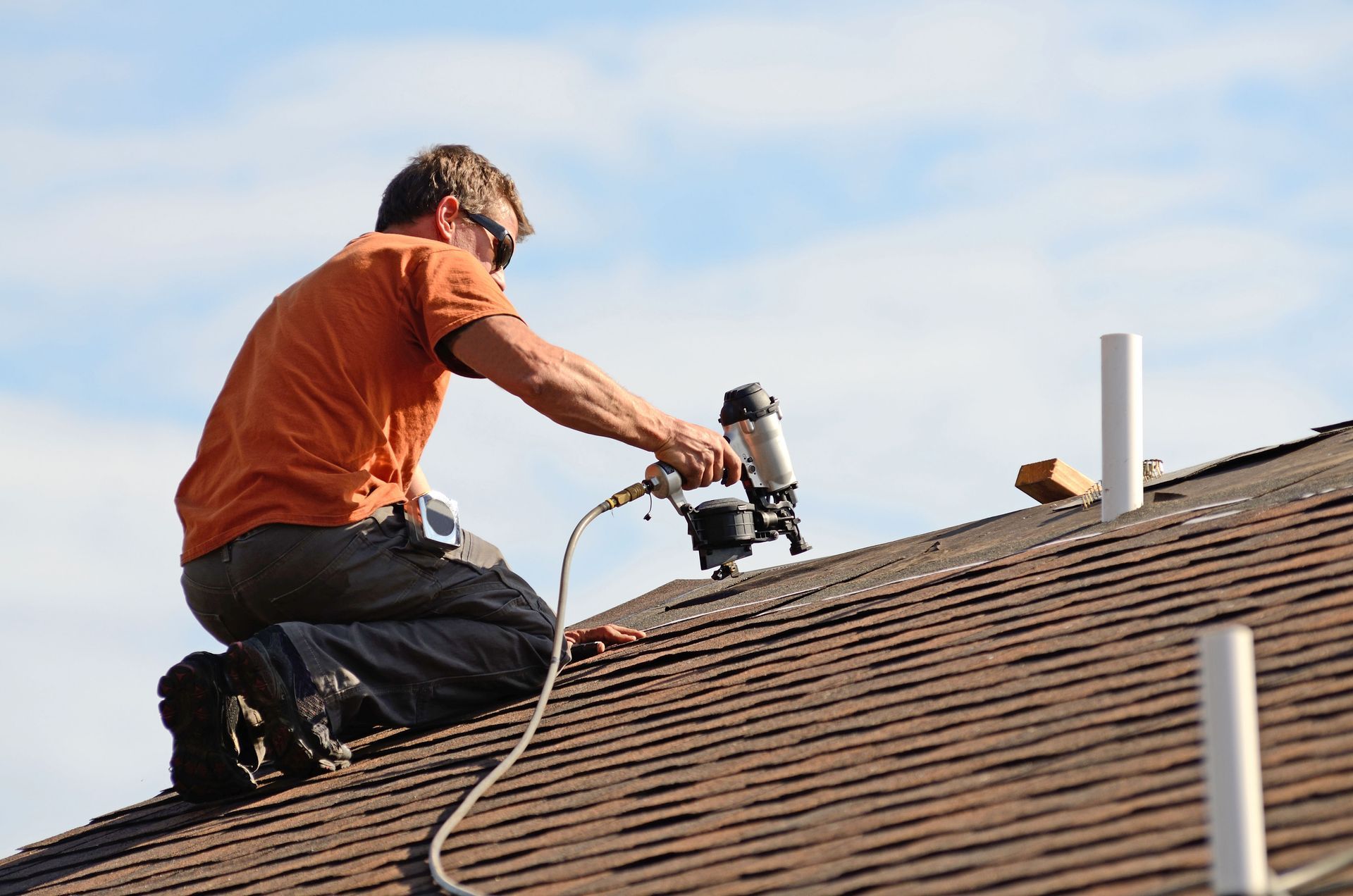
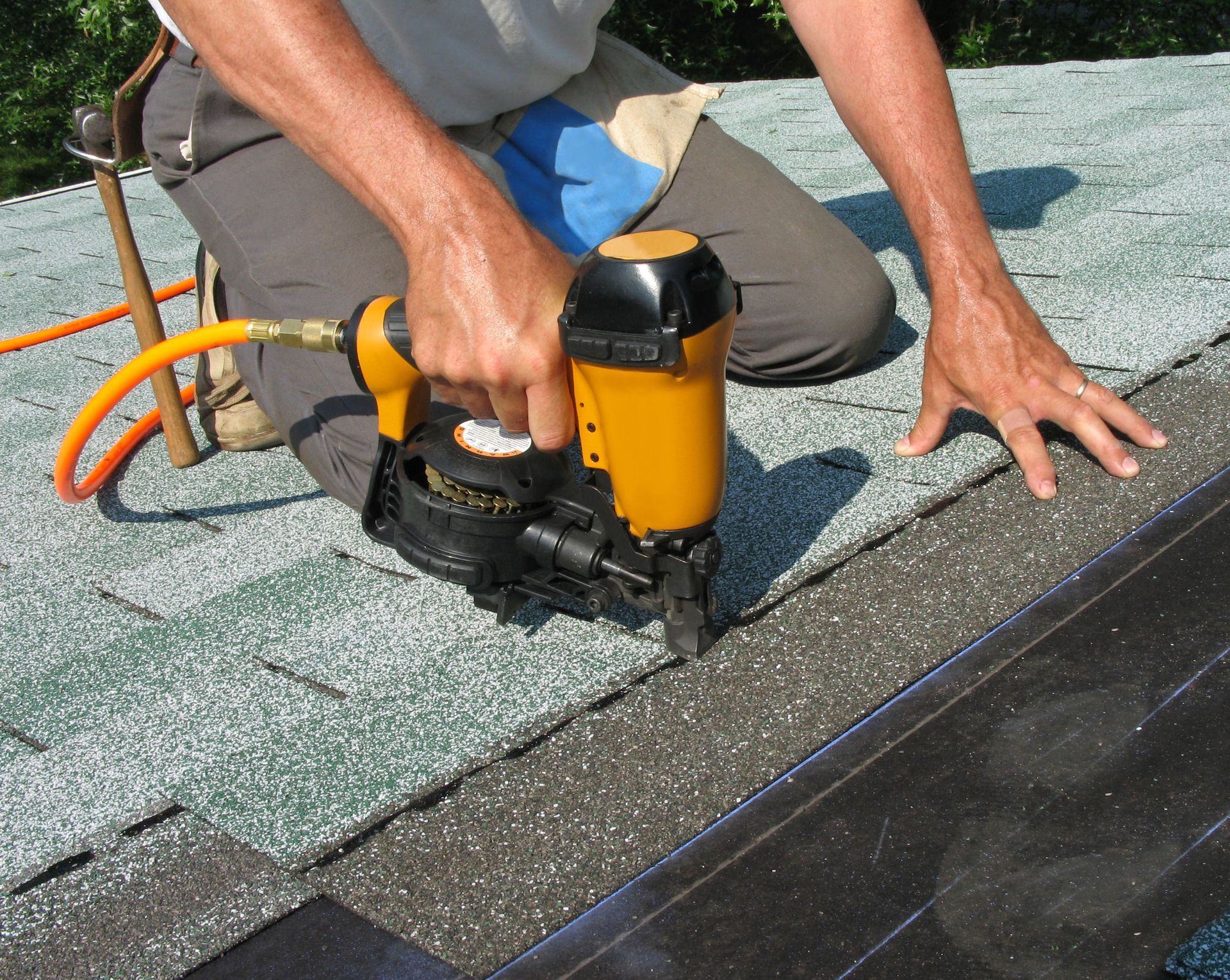
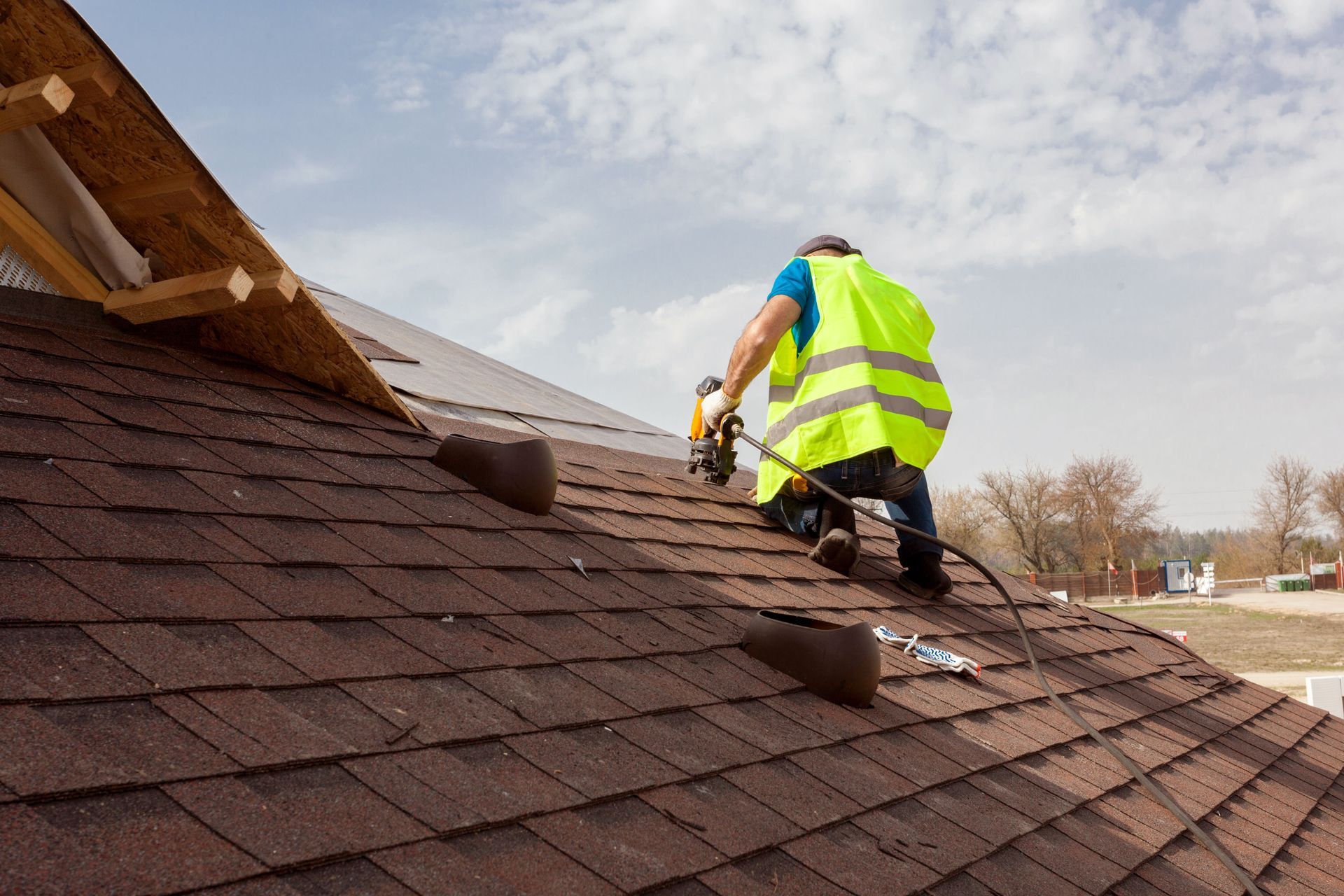
Asphalt shingles are favored due to their cost-effectiveness and versatility, which is why so many residential roofing companies recommend them to budget-conscious homeowners. Homeowners appreciate the wide selection of styles and colors that can fit numerous architectural designs. The ease of installation means less labor cost and time, making them a quick solution for many. Despite their affordability, asphalt shingles are capable of providing excellent waterproofing when properly installed. These shingles offer a straightforward, low-cost option for homeowners seeking immediate roof replacement solutions.
Drawbacks of Asphalt Shingles
However, asphalt shingles come with certain disadvantages. According to Bob Vila, asphalt shingle roofs last about 15 to 20 years before they need to be replaced, which is lower compared to other materials. They are susceptible to degradation under harsh weather conditions, like extreme heat or cold. Wind damage is also a common issue, as shingles can be easily torn off during storms. Overall, their lifespan and durability are not as robust as other available roofing materials, which is something residential roofing companies frequently caution clients about when evaluating lifetime value.
Best Situations for Using Asphalt Shingles
Asphalt shingles serve well in situations where budget constraints are a primary concern. They are an excellent choice for homeowners who need to replace their roof quickly without significant modifications to the structure. For those who prioritize aesthetic over material longevity, the variety in design can greatly enhance curb appeal. They are especially suitable for residential properties in regions with mild weather. In essence, they offer a practical solution for short-term roofing needs without significant financial strain.
Maintenance of Asphalt Shingles
Proper maintenance is vital to extend the life of asphalt shingles. Regular inspections by professional residential roofing companies can help identify and replace any damaged or missing shingles promptly. It's crucial to ensure that the roof is properly ventilated to avoid heat build-up which can reduce its lifespan. Homeowners should also clear debris from gutters and roof surfaces to prevent water damage. With proactive care, the durability of asphalt shingles can be maximally sustained.
Environmental Impact of Asphalt Shingles
Environmentally, asphalt shingles pose a few challenges due to their petroleum-based composition. While some manufacturers offer recyclable options, the petroleum content somewhat limits this potential. Homeowners who are environmentally conscious may need to consider the long-term ecological footprint. Recycling programs are available, but participation is often limited, affecting the shingles’ overall appeal to green consumers. Despite their common usage, asphalt shingles aren’t the most sustainable roofing choice.
Metal Roofing
Benefits of Metal Roofing
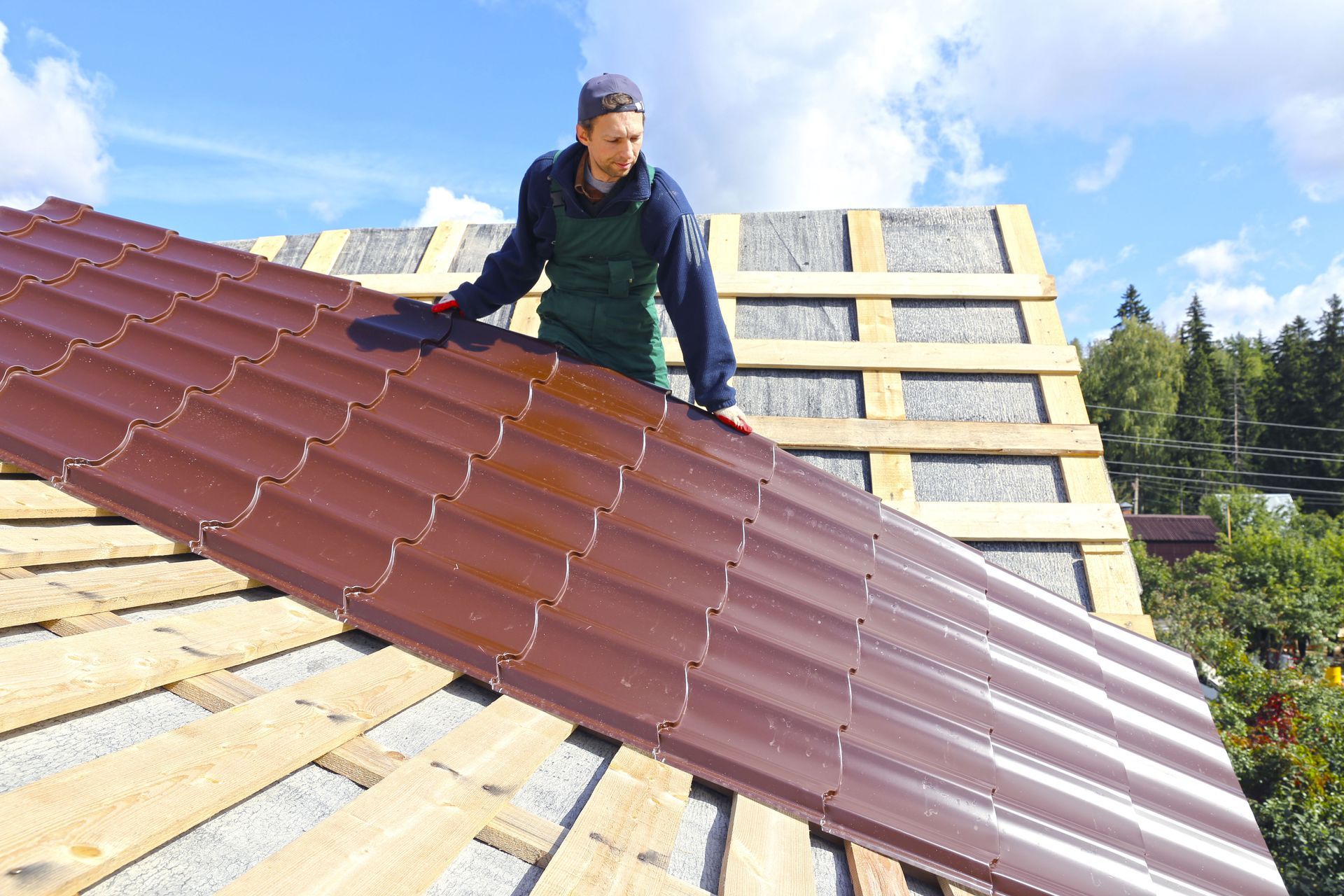
Metal roofing is celebrated for its remarkable durability and longevity, leading many top residential roofing companies to feature it as a premium option. Most metal roofs can withstand severe weather conditions, including heavy snow, hail, high winds, and even fire. These roofs are also energy efficient; they reflect solar radiant heat, which can reduce cooling costs in hot climates. The long lifespan means reduced need for replacements, which is cost-effective in the long run. Metal roofs are an excellent investment for homeowners focused on durability and energy-efficient solutions.
Drawbacks of Metal Roofing
Despite their benefits, metal roofs can be costly to install initially. The investment is often higher than that of asphalt shingles, which can deter budget-conscious homeowners. Insulation concerns arise, as noise from rain or hail is amplified without proper soundproofing measures. Some may find the finished look less traditional, which could affect curb appeal depending on neighborhood standards. Thus, initial costs and potential noise issues are key factors to consider.
Best Situations for Using Metal Roofing
Metal roofs are particularly advantageous in areas prone to extreme weather. Their durability suits regions that experience heavy rainfall, snow, or high winds. For eco-conscious homeowners seeking sustainable materials, metal roofs made from recycled content are ideal. Their reflective properties can significantly cut down on energy bills in sunny climates. Ultimately, metal roofing is an excellent choice for those prioritizing longevity, durability, and energy efficiency, and reputable residential roofing companies often have specialized crews for these installations.
Maintenance of Metal Roofing
Metal roofing is remarkably low-maintenance compared to other materials. However, periodic inspections are important to ensure panels remain secure and undamaged. Homeowners should pay attention to scratches, which require touch-up paint to prevent rusting. Clearing debris that might accumulate in valleys or gutters is vital to avoid drainage issues. Regular maintenance helps preserve the functional and aesthetic properties of a metal roof over many decades.
Environmental Impact of Metal Roofing
The environmental benefits of metal roofing are significant. They often contain a high percentage of recycled material and are 100% recyclable at the end of their long lifespans. The reflective nature of the material contributes to energy efficiency by reducing cooling costs, which is a plus point in warm climates. When choosing metal roofing, selecting sustainably sourced products can further enhance ecological benefits. Therefore, metal roofs are typically among the more environmentally friendly choices.
Key Factors to Evaluate Before Choosing a Material
Climate and Regional Weather Conditions
Your local environment plays a significant role in determining which material will hold up best over time. Areas subject to frequent hail, freeze-thaw cycles, or coastal salt air demand materials with higher impact resistance and anti-corrosive properties. Working closely with established residential roofing companies ensures you select products designed specifically to withstand your local climate extremes, protecting your structure year-round.
Long-Term Costs vs. Upfront Investment
While the initial price tag of premium roofing systems can feel steep, evaluating lifetime value paints a clearer financial picture. Inexpensive choices may require earlier replacement or frequent upkeep, while higher-tier options deliver decades of maintenance-free performance. Leading residential roofing companies often provide detailed cost analyses comparing short-term savings against long-term energy efficiency and structural durability to help you decide.
Structural Weight and Building Limits
Different materials carry drastically different load weights, which can directly affect your home's framing and foundations. Heavier options like natural stone or concrete require specialized structural evaluations before installation can even begin. Experienced residential roofing companies will perform thorough deck inspections to verify that your home can safely support your preferred material without expensive structural modifications.
Choosing the right roof material involves considering factors such as cost, aesthetics, and environmental impact. From traditional asphalt to luxurious slate, each material presents unique advantages and challenges. Consulting with local residential roofing companies can help clarify costs and installation requirements tailored to your specific home structure. Ultimately, the best choice depends on your budget, location, and personal preferences, ensuring your roof not only protects your home but enhances its value and appeal. Considerations such as regional climate conditions and long-term environmental impact should guide your decision. By partnering with established residential roofing companies and selecting appropriately, you ensure a roofing solution that harmonizes with both your home and environmental outlook. Call Britt & Britt Roofing today for more information.