June 9, 2026
A home’s roof does more than finish the look of the property. It helps protect the structure, belongings, insulation, electrical systems, and daily comfort inside the house. Because roofing problems can begin small and spread quietly, homeowners benefit from paying attention to maintenance, repairs, and replacement needs before damage becomes more expensive.
Residential roofers play an important role in that process because they understand how roofing materials, ventilation, flashing, drainage, and weather exposure work together. When homeowners partner with professionals who focus on residential properties, they can make clearer decisions about protecting one of the most important parts of their home.
Protecting the Home From Weather Exposure
A roof faces changing conditions every day, from sunlight and wind to rain, snow, heat, and falling debris. Over time, those conditions can weaken shingles, loosen flashing, damage sealants, and create openings where moisture can enter. Even a small roof issue can affect the attic, ceilings, walls, and insulation if it is left alone for too long.
Residential roofers help homeowners identify these problems before they turn into larger repairs. They can look for missing materials, soft spots, curled shingles, rusted components, and signs of water movement. This type of attention is especially important after heavy storms or long seasons of harsh weather. A roof may look fine from the ground, but close inspection can reveal concerns that are not easy for homeowners to see.
Professional care also helps homeowners avoid guesswork. Instead of assuming a stain, leak, or loose shingle is minor, they can receive a clearer explanation of what is happening and what should be done next.
Improving the Value of Preventive Maintenance
Preventive roof care can save homeowners from unexpected problems. Regular maintenance gives residential roofers a chance to check vulnerable areas, clean away debris, inspect drainage, and address minor damage. This can help extend the useful life of the roof and support better performance over time.
Many roofing issues begin around places where different materials meet. Chimneys, skylights, vents, valleys, gutters, and roof edges can all become weak points if they are not maintained. When these areas are checked regularly, homeowners are less likely to be surprised by hidden moisture damage.
Maintenance also supports better planning. If a roof is aging, a professional can explain whether repairs may still be practical or whether replacement should be considered in the near future. That gives homeowners time to budget instead of reacting to an emergency. For families trying to protect long-term property value, consistent roof care can be a practical part of homeownership.
Supporting Better Material Decisions
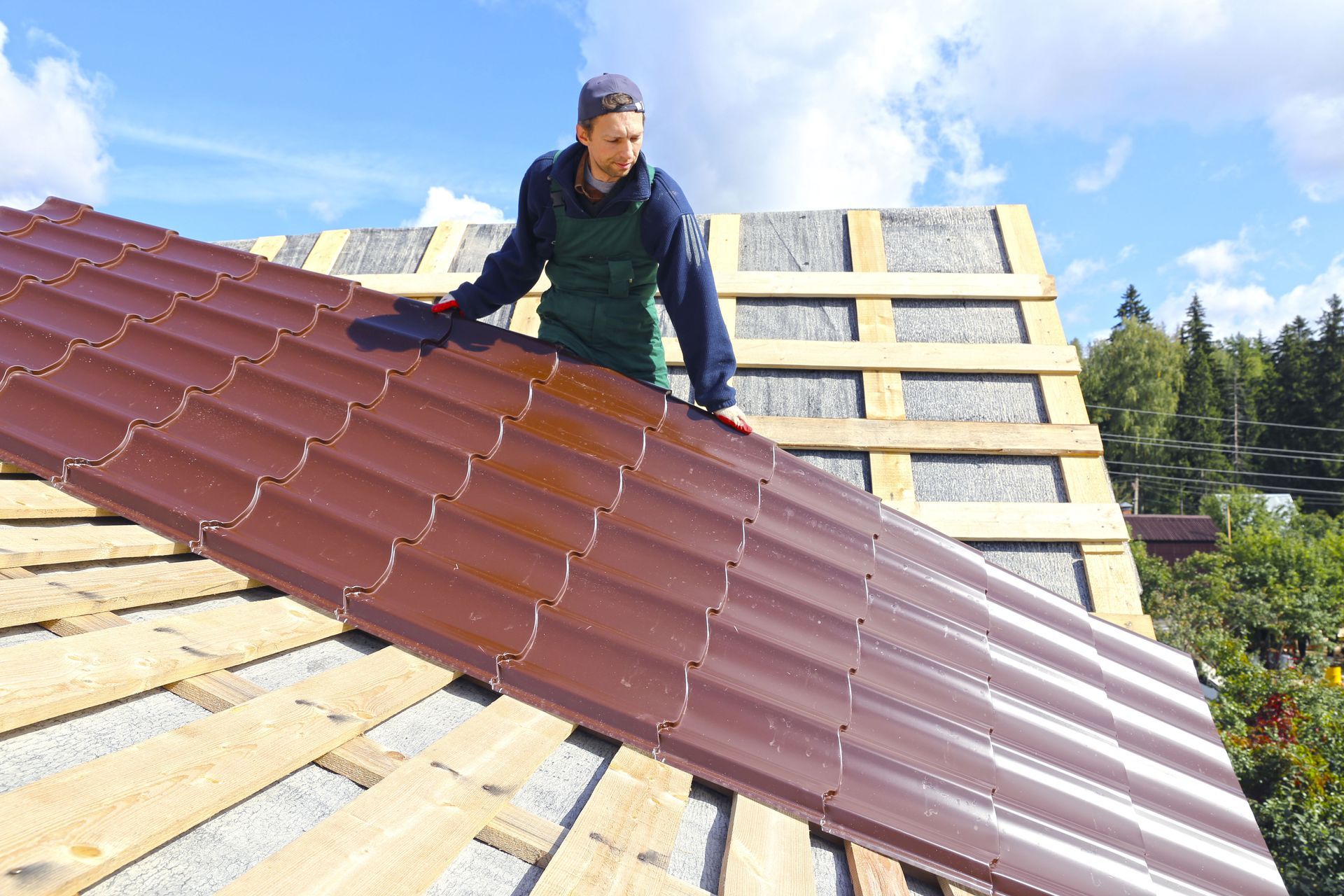
Roofing materials vary in cost, appearance, durability, maintenance needs, and weather resistance. Asphalt shingles, metal roofing, tile, slate, and other systems each have advantages depending on the home and local conditions. Residential roofers can help homeowners compare these options in a realistic way.
For example, homeowners may want a roof that lasts longer, improves curb appeal, or handles severe weather more effectively. According to This Old House, metal roofs usually last 40 to 60 years. That kind of information can help homeowners understand why some materials may cost more upfront but provide strong long-term value.
Material decisions should also account for the slope of the roof, the strength of the structure, local climate patterns, neighborhood appearance, and maintenance expectations. A roofing material that works well for one home may not be the right fit for another. By explaining these differences, professionals help homeowners choose a roof system that supports both practical needs and personal preferences.
Reducing the Risk of Moisture Damage
Moisture is one of the most serious threats to a home. A roof leak can damage drywall, insulation, wood framing, flooring, and personal belongings. It can also create conditions that affect indoor air quality if damp materials remain hidden. Residential roofers help reduce these risks by finding and repairing openings where water may enter.
Leaks are not always obvious. Water can travel along beams, pipes, or insulation before it appears as a ceiling stain. That means the visible damage may not show where the roof problem actually started. Professional inspection helps trace the issue more accurately so the repair targets the real source.
Proper installation matters as much as repair. Flashing, underlayment, shingles, fasteners, and ventilation all need to work together. If one part is installed incorrectly, moisture can eventually find its way inside. Skilled roof work helps create a stronger barrier against the water problems that can affect the entire home.
Strengthening Energy Efficiency and Comfort
The roof also contributes to indoor comfort. When a roofing system is damaged or poorly ventilated, heat and moisture can build up in the attic. This can make the home harder to cool in the summer and may contribute to condensation problems in colder months. Residential roofers can evaluate whether roofing concerns are affecting ventilation and overall performance.
A well-maintained roof works with insulation and attic airflow to help the home stay more comfortable. Proper ventilation can help reduce trapped heat, protect roofing materials, and support more consistent indoor temperatures. This does not mean the roof works alone, but it is an important part of the home’s larger efficiency system.
Roof color, material choice, and reflective qualities may also affect how much heat the home absorbs. During a repair or replacement project, homeowners can ask about options that may support comfort and energy goals. Professional guidance can make those choices easier to understand.
Helping Homeowners Plan for Repairs and Replacement
Roofing decisions can feel stressful when homeowners are unsure about timing or cost. A small repair may be enough in some situations, while a full replacement may be more practical in others. Residential roofers help homeowners understand the condition of the roof and what options are available.
Age is one important factor, but it is not the only one. Installation quality, weather exposure, storm damage, maintenance history, and material type can all influence how long a roof lasts. A newer roof with poor installation may have problems early, while an older roof with consistent care may continue performing well.
Clear communication helps homeowners avoid unnecessary work while also preventing delays that could cause more damage. When professionals explain the urgency, scope, and purpose of each recommendation, homeowners can make decisions with more confidence. That level of planning supports both safety and financial control.
Protecting Long-Term Home Investment
A roof is one of the most visible and functional parts of a house. It affects curb appeal, resale value, interior protection, and the overall condition of the property. When roof problems are ignored, the damage can spread into areas that are much more expensive to repair. Residential roofers help protect that investment by keeping the roof in better condition through inspections, maintenance, repairs, and replacement when needed.
Long-term roof protection is not only about fixing leaks. It is about understanding how the roof supports the entire home. Gutters need to direct water away properly, flashing needs to seal vulnerable areas, and roofing materials need to stay secure through changing weather. Each of these details contributes to a stronger property.
Homeowners who take roof care seriously are better prepared for storms, seasonal changes, aging materials, and future improvement needs. With help from qualified residential roofers, they can protect comfort, safety, and property value over time. Call Britt & Britt Roofing today to schedule your roofing service.