March 2, 2026
The roof is one of the most important structural components of any home, quietly working year-round to protect everything beneath it. Yet many homeowners don’t think about it until a problem appears, often in the form of a leak, damaged shingles, or rising energy bills. Proactive care is essential because roofing issues rarely fix themselves and often worsen over time, leading to costly repairs and potential structural concerns. Understanding common problems and prevention strategies can help homeowners extend the life of their roofing systems, maintain property value, and avoid unexpected disruptions.
Address Leaky Roof Issues Early
Leaks are among the most common concerns in residential roofing and can develop for several reasons. Damaged shingles, deteriorated flashing, clogged drainage systems, and severe weather exposure all contribute to water infiltration. Even small vulnerabilities can allow moisture to penetrate underlying layers, gradually weakening structural components and encouraging mold growth within the attic or interior spaces. Over time, untreated leaks may also compromise insulation and increase energy costs due to reduced efficiency.
Recognizing early warning signs can make a significant difference. Water stains on ceilings, peeling paint, musty odors, or visible dripping during rainstorms often indicate an active leak. Homeowners should also inspect their attic periodically, looking for damp insulation, discoloration, or sunlight shining through roof boards, as these signs frequently signal developing issues.
Prevention requires consistent attention and routine maintenance. Regular inspections, prompt repair of minor damage, and maintaining clean gutters all help reduce the likelihood of leaks. Professional assessments can identify vulnerabilities that might not be visible from the ground, allowing homeowners to address concerns before they escalate into major repairs.
Proper ventilation plays a critical role in maintaining healthy residential roofing systems. Balanced airflow regulates attic temperatures and moisture levels, preventing excessive heat buildup in summer and reducing condensation during colder months. Without adequate ventilation, roofing materials can deteriorate faster, increasing the risk of premature failure.
Signs of poor ventilation often include unusually high energy bills, excessive attic heat, mold growth, or moisture stains along roof decking. In colder climates, ice dams forming along roof edges may indicate uneven attic temperatures caused by insufficient airflow. These problems not only impact roofing materials but can also compromise indoor comfort and overall home efficiency.
Solutions typically involve installing or improving ridge vents, soffit vents, or attic fans to enhance circulation. Ensuring that insulation does not block existing vents is equally important for maintaining consistent airflow. Consulting a professional can help determine the correct ventilation balance based on home size, climate conditions, and roof design. Proper ventilation supports a healthier, longer-lasting roofing system.
Repair and Maintain Damaged Shingles
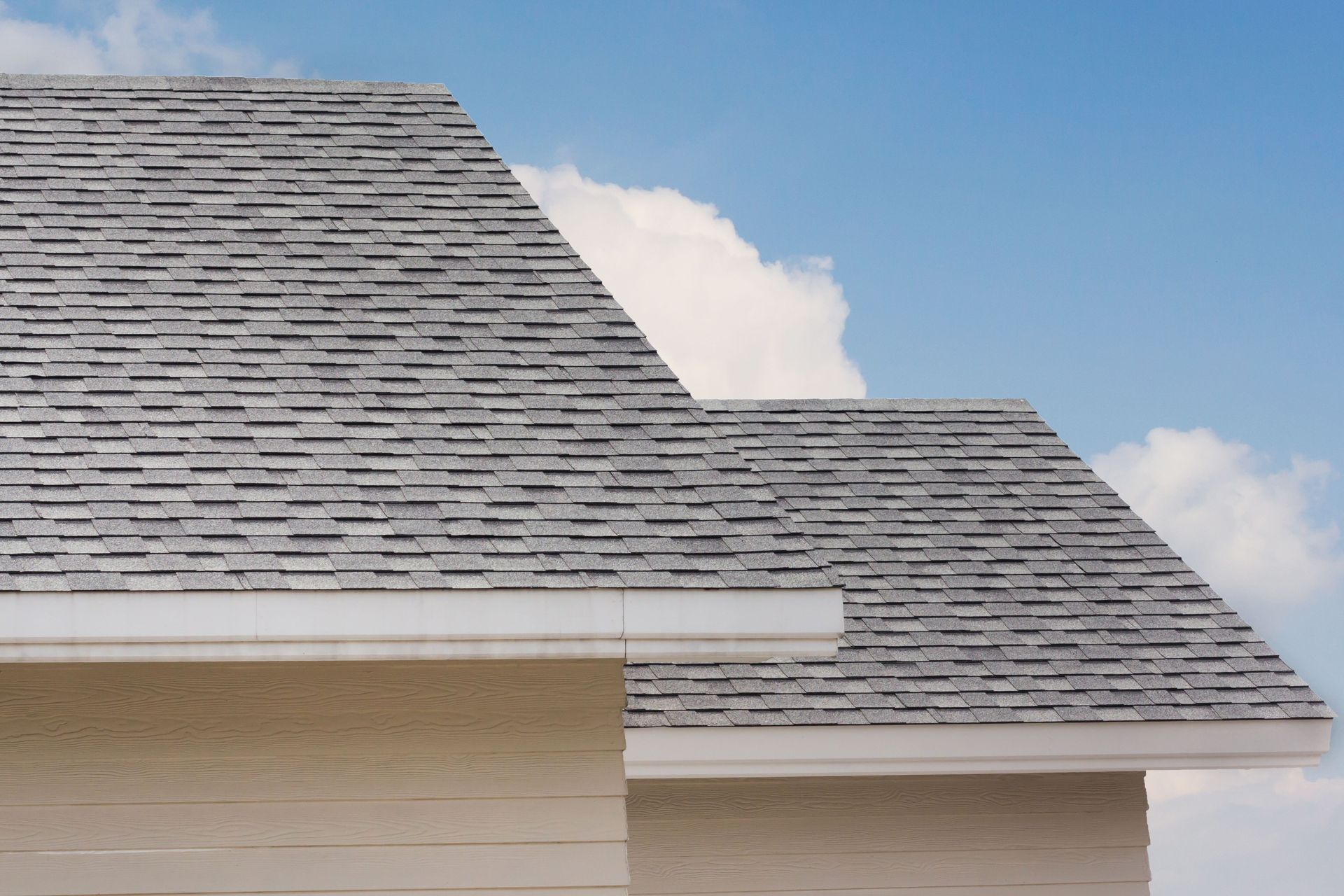
Shingle damage is another frequent issue affecting residential roofing performance. Severe weather events such as high winds, hailstorms, and heavy snowfall can loosen, crack, or dislodge shingles, exposing the underlying roof structure to moisture intrusion. Aging also plays a significant role, as roofing materials naturally deteriorate over time. Without timely repairs, even small areas of damage can spread and create more extensive problems.
Regular visual inspections help homeowners detect issues early. Missing shingles, curling edges, granule loss, or discoloration can all indicate damage that requires attention. Using binoculars from ground level or carefully inspecting from a ladder allows homeowners to monitor their roof without unnecessary risk. Consistent monitoring helps ensure small problems are addressed quickly.
According to This Old House, an average roof lasts between 25 and 50 years, depending on the quality, durability, and type of roofing material. Consistent maintenance, including prompt repairs and periodic professional inspections, can help maximize this lifespan. Taking preventative measures also helps preserve the appearance and performance of roofing materials over time.
Maintain Gutters and Drainage Systems
Gutters and downspouts are essential components that support residential roofing performance by directing water away from the structure. When functioning properly, they prevent water from pooling on the roof or seeping into walls and foundations. However, clogged or damaged drainage systems can quickly lead to serious roofing problems. Proper water management is vital for protecting both the roof and the home’s structural integrity.
Common gutter issues include debris buildup, sagging sections, leaks at seams, and improper drainage alignment. Leaves, twigs, and dirt can block water flow, causing overflow that may damage fascia boards, siding, or roofing materials. During colder months, trapped moisture can freeze, leading to ice dams that force water under shingles. These problems can escalate rapidly if not addressed promptly.
Routine cleaning and inspection are key prevention strategies. Clearing gutters at least twice annually, repairing leaks promptly, and ensuring downspouts direct water away from the foundation all help protect the roof. Installing gutter guards can further reduce maintenance needs while improving overall system efficiency. Consistent upkeep helps extend the lifespan of both gutters and roofing materials.
Protect Roofs From Weather Damage
Weather exposure is a constant challenge for residential roofing systems. High winds can lift shingles, hail can cause impact damage, and prolonged sun exposure can weaken materials over time. Seasonal temperature fluctuations also contribute to expansion and contraction, increasing the risk of cracks or splits. These natural forces make regular maintenance especially important.
Storm preparedness plays an important role in minimizing damage. Securing loose outdoor items, trimming overhanging branches, and scheduling post-storm inspections help reduce risks and ensure early detection of potential issues. After severe weather, homeowners should examine their roofs for visible damage, including missing shingles or debris accumulation. Early action helps prevent minor damage from becoming more severe.
Regular seasonal maintenance is equally important. Preparing for winter may involve clearing gutters and checking insulation, while summer preparation often focuses on evaluating ventilation and identifying heat-related wear. Timely inspections throughout the year help ensure the roof remains in optimal condition. These efforts contribute to long-term durability and performance.
Avoid Installation and Design Problems
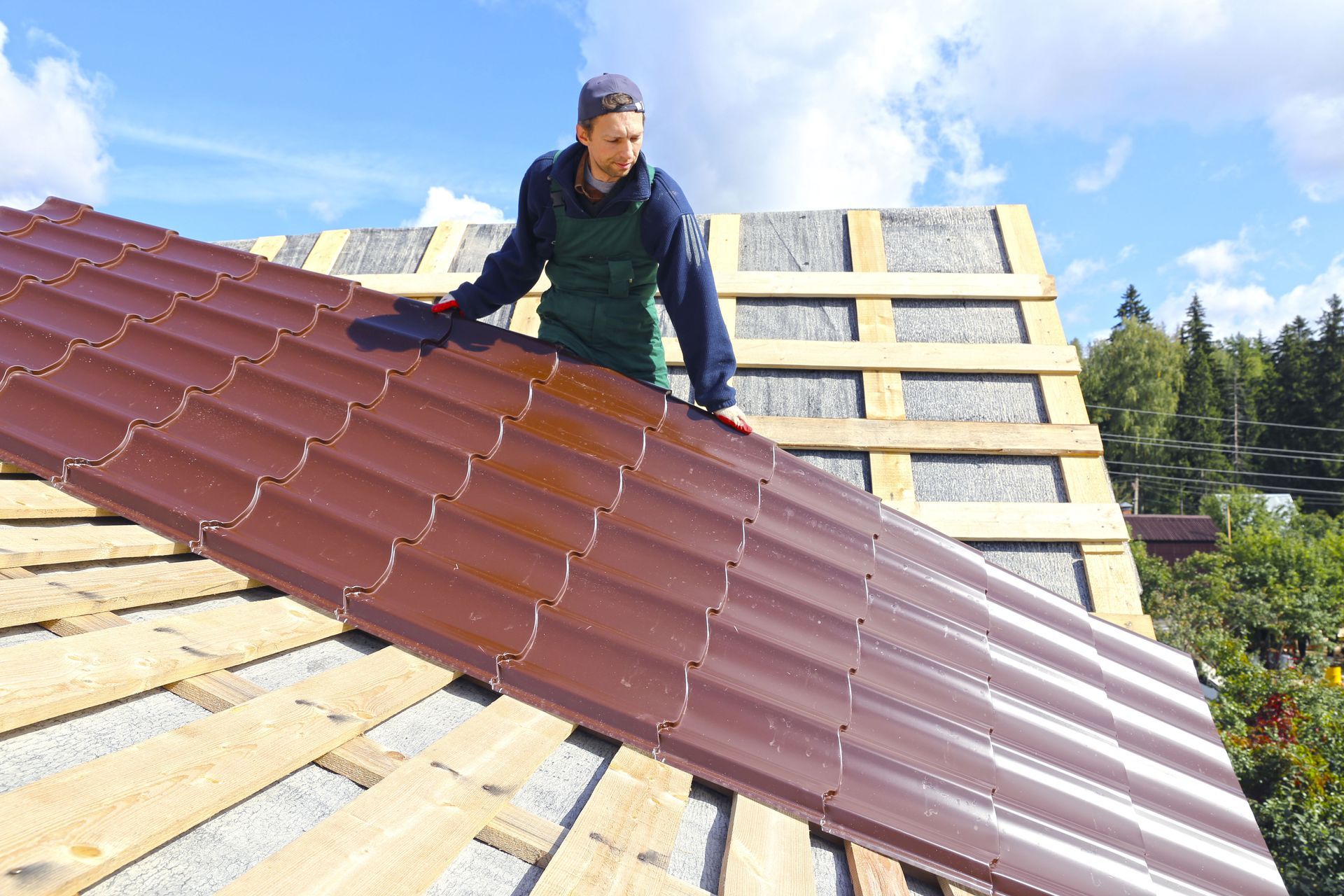
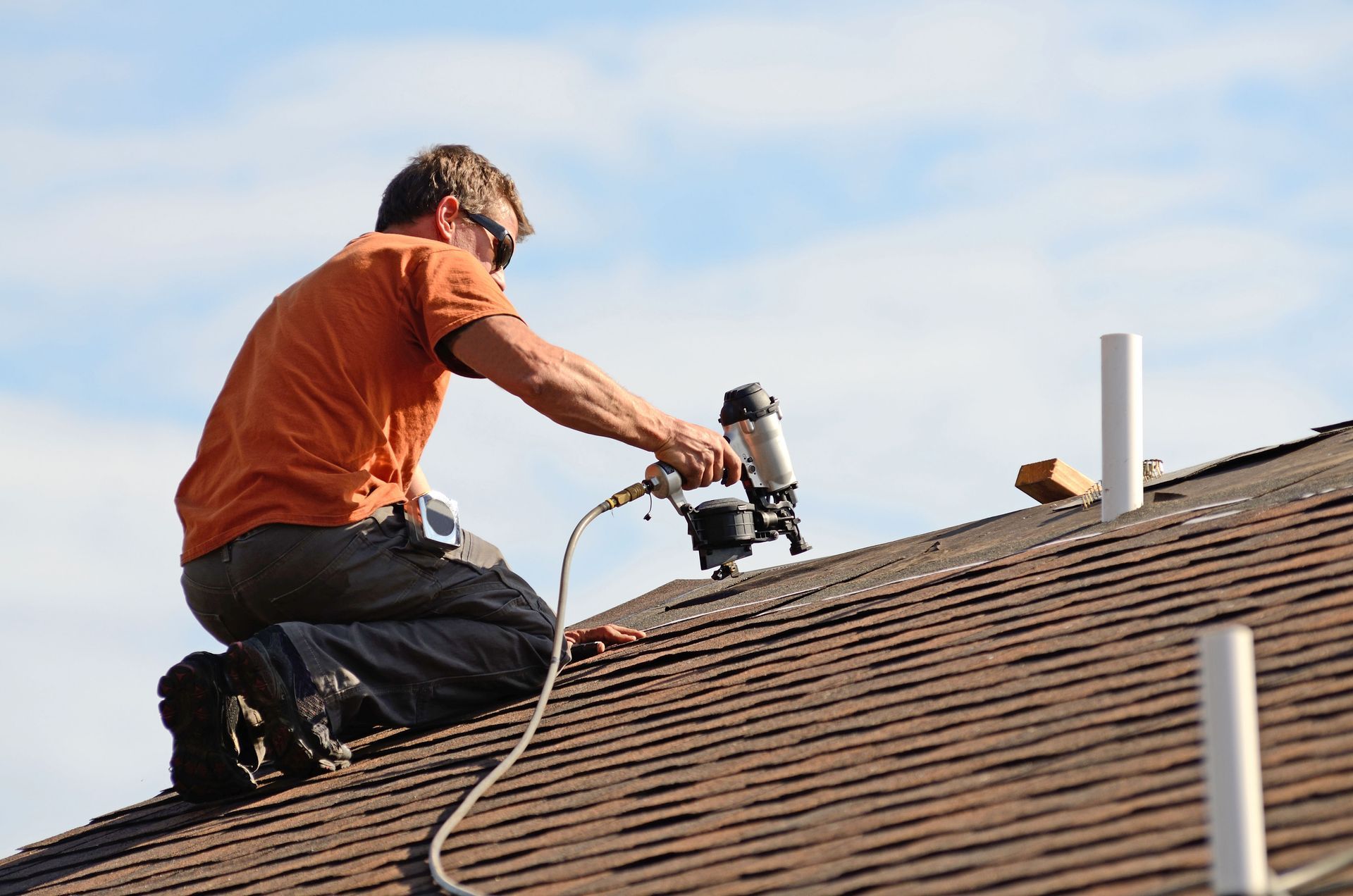
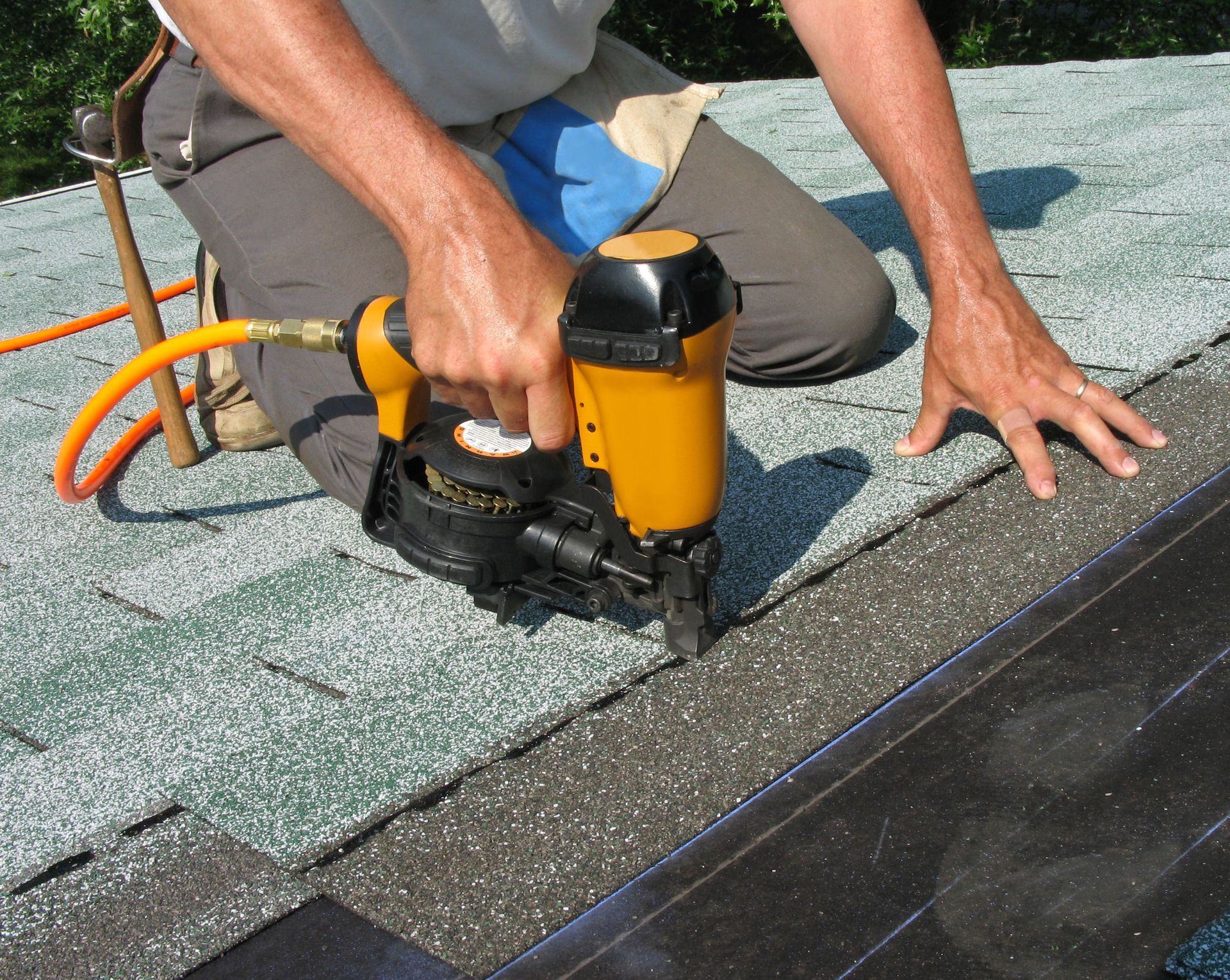
Installation quality significantly impacts the long-term performance of residential roofing systems. Even high-quality materials can fail prematurely if installed incorrectly or paired with flawed design elements. Issues such as improper slope, inadequate drainage planning, or insufficient structural support can contribute to ongoing problems. Careful planning and professional installation help prevent these challenges.
Common installation mistakes include misaligned shingles, poorly secured flashing, inadequate sealing, and insufficient ventilation planning. These errors often lead to leaks, moisture buildup, and reduced material lifespan. Choosing experienced professionals helps minimize these risks and ensures proper installation techniques are followed. Skilled workmanship is essential for long-term reliability.
Homeowners should verify contractor credentials, review references, and request detailed project information before proceeding with roofing work. Clear communication regarding timelines, materials, and maintenance expectations helps establish trust and ensures the project meets quality standards. Regular inspections after installation also provide valuable peace of mind. Independent evaluations can confirm proper workmanship and identify concerns early.
Maintaining a healthy roof requires a proactive approach that includes routine inspections, timely repairs, and professional guidance when needed. Addressing small issues early prevents costly damage, extends material lifespan, and helps preserve both comfort and property value. By understanding common roofing challenges and implementing preventative strategies, homeowners can ensure their roofs continue providing reliable protection for decades.
If you’re noticing signs of damage or want peace of mind about your roof’s condition, Britt & Britt Roofing is here to help. Our team proudly serves the Lumberton, NC area with free estimates and comprehensive services, including commercial and
residential roofing, inspections, replacements, and storm damage repair. We focus on reliable workmanship, honest guidance, and long-term solutions designed to protect your home. Contact us today to schedule an evaluation and let us help you safeguard your property with roofing services you can count on.